
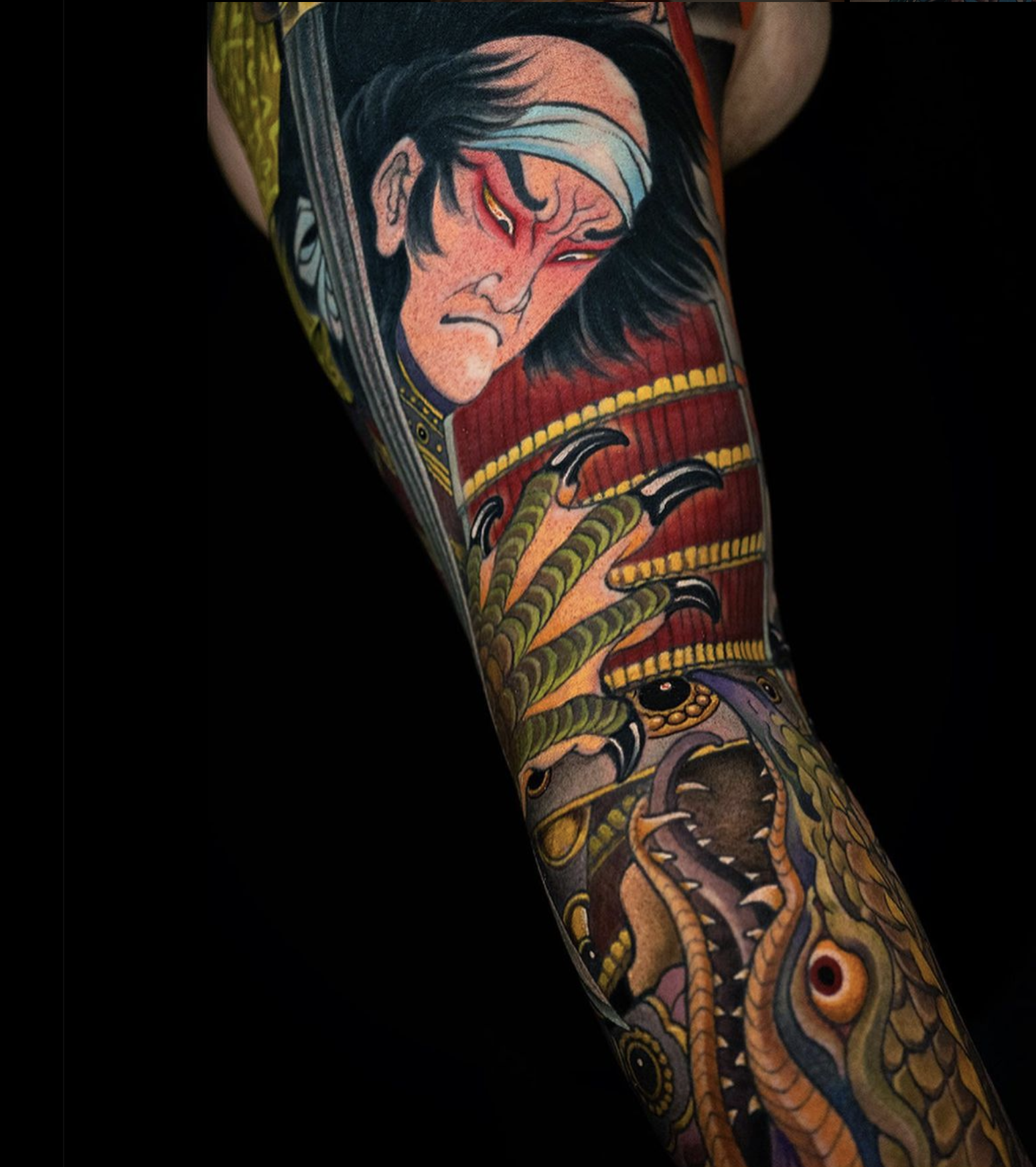
Japanese Samurai Tattoo Meaning: History, Symbolism & Traditional Designs
Few designs in Japanese tattooing carry as much history and symbolism as the Japanese Samurai tattoo. More than legendary warriors, samurai represent honor, discipline, courage, and an unwavering commitment to personal values.
At Oyabun Tattoo, many clients choose samurai tattoos not simply because they admire the armor or weapons, but because they connect with the warrior mindset. A well-designed samurai tattoo tells a personal story of resilience, responsibility, and lifelong growth while honoring centuries of Japanese artistic tradition.
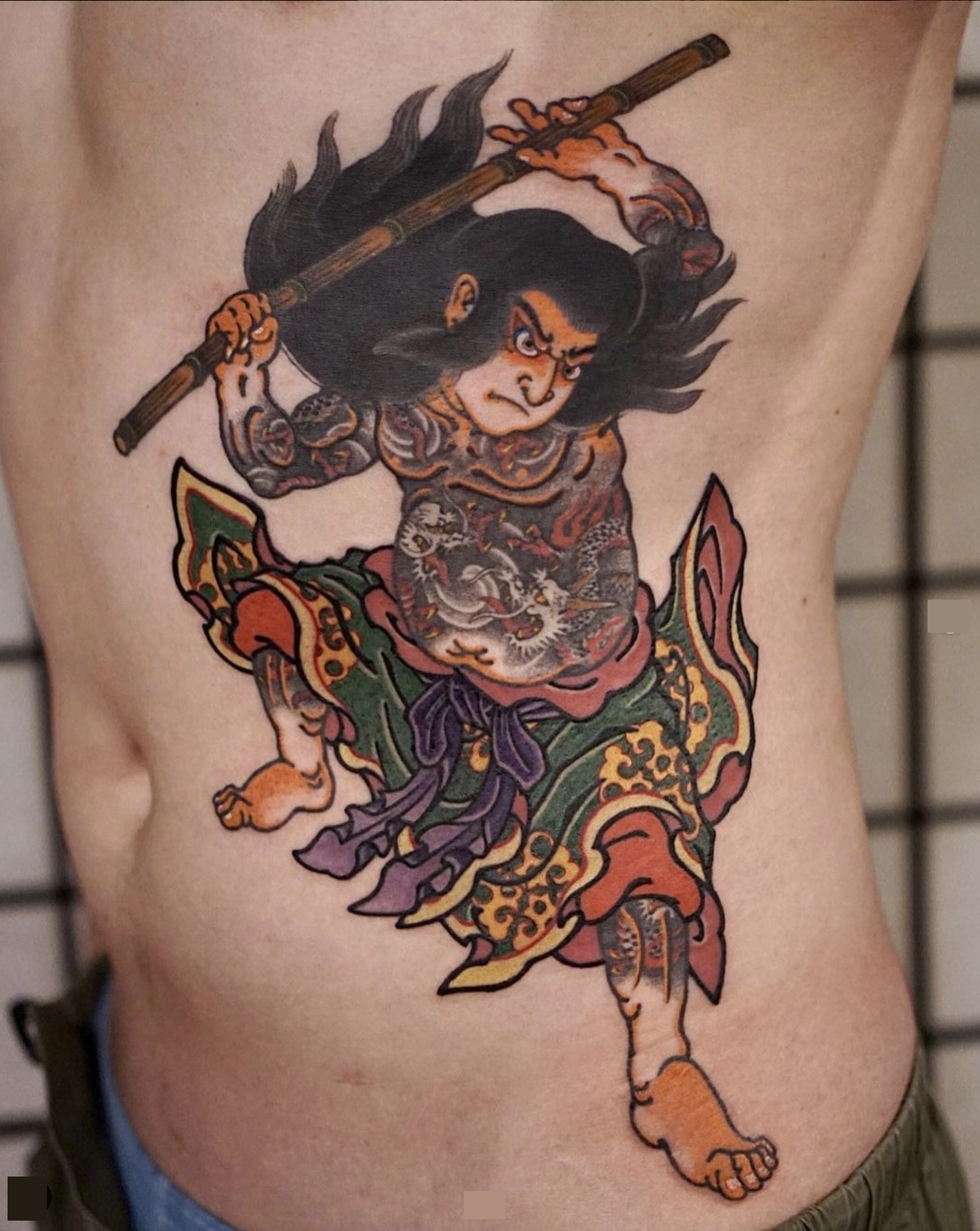
The History of the Samurai
The samurai served as Japan’s warrior class for nearly 700 years. While they were highly skilled in combat, they were also expected to live according to Bushido, or “The Way of the Warrior.”
Bushido emphasized principles that continue to inspire people today:
* Honor
* Loyalty
* Courage
* Discipline
* Respect
* Self-control
* Responsibility
These ideals are what make samurai tattoos timeless rather than simply historical.
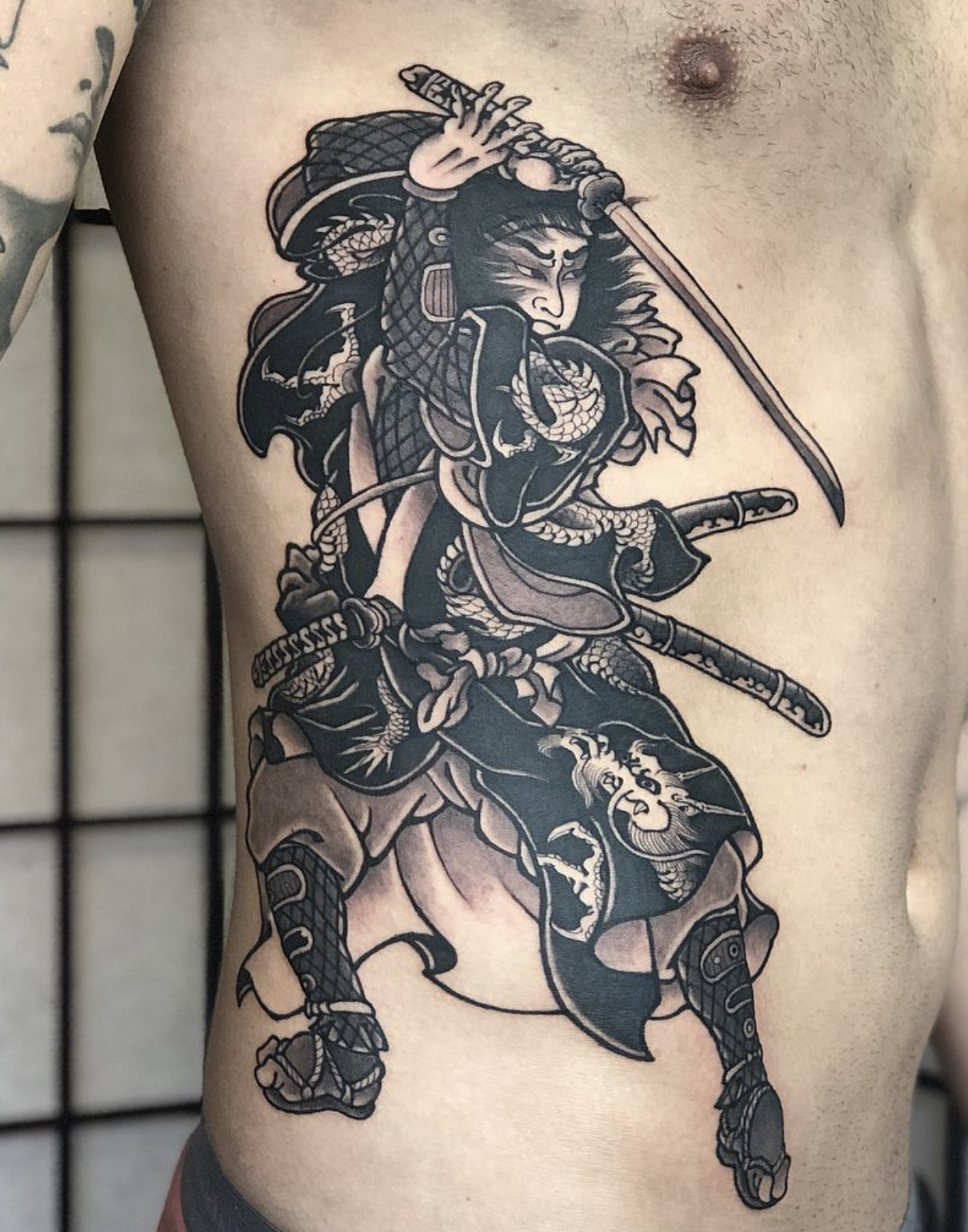
What Does a Samurai Tattoo Mean?
Every tattoo has a personal meaning, but samurai tattoos commonly represent:
Honor - Living according to your principles even when life becomes difficult.
Courage - Facing challenges directly instead of avoiding them.
Discipline - Constant self-improvement through patience, consistency, and hard work.
Loyalty - Remaining faithful to family, friends, beliefs, and personal responsibilities.
Perseverance - Continuing forward despite setbacks and obstacles.
For many people, a samurai tattoo is less about becoming a warrior and more about becoming the best version of themselves.
The Hidden Connection Between Samurai Tattoos and Suikoden
One of the most fascinating influences on traditional Japanese tattooing comes from Suikoden (Water Margin).
Originally written in China, Water Margin tells the story of 108 legendary outlaw heroes who fought against corruption and injustice. Although these heroes were not samurai, they shared many of the same values, including courage, loyalty, sacrifice, and justice.
During Japan’s Edo period, the famous ukiyo-e artist Utagawa Kuniyoshi illustrated the heroes of Suikoden with dramatic full-body tattoos featuring dragons, koi fish, tigers, peonies, waves, and other traditional imagery.
His artwork became enormously popular and helped shape what we now recognize as irezumi, the traditional style of Japanese tattooing.
Many of today’s Japanese warrior tattoos—including large flowing backgrounds and storytelling compositions—can trace part of their artistic heritage back to Kuniyoshi’s legendary prints.
Popular Samurai Tattoo Elements
A samurai tattoo often includes additional traditional Japanese imagery that adds both symbolism and visual balance.
Katana - The samurai sword symbolizes precision, responsibility, and unwavering determination.
Kabuto- The traditional samurai helmet represents protection, resilience, and leadership.
Menpo- The iconic samurai face mask symbolizes fearlessness, confidence, and emotional control.
Cherry Blossoms - Cherry blossoms remind us that life is beautiful because it is temporary, making them a perfect companion to samurai imagery.
Dragons - Japanese dragons symbolize wisdom, protection, and strength.
Tigers - Tigers represent courage, confidence, and the ability to overcome adversity.
Samurai Sleeve and Back Tattoos
Because of their level of detail, samurai tattoos work best as larger pieces.
Popular choices include:
* Full sleeve tattoos
* Half sleeves
* Chest panels
* Full back pieces
* Leg sleeves
Larger compositions allow armor, facial expressions, flowing backgrounds, and supporting imagery to work together in the way traditional Japanese tattooing was intended.
Designing a Traditional Samurai Tattoo
No two samurai tattoos should be exactly alike.
A successful design considers not only the warrior, but also body flow, background elements, symbolism, and how the tattoo may connect with future work.
At Oyabun Tattoo, every Japanese tattoo is custom designed to fit the individual while respecting the traditions of classical Japanese tattooing. Rather than copying existing artwork, we create original compositions inspired by centuries of Japanese art and history.
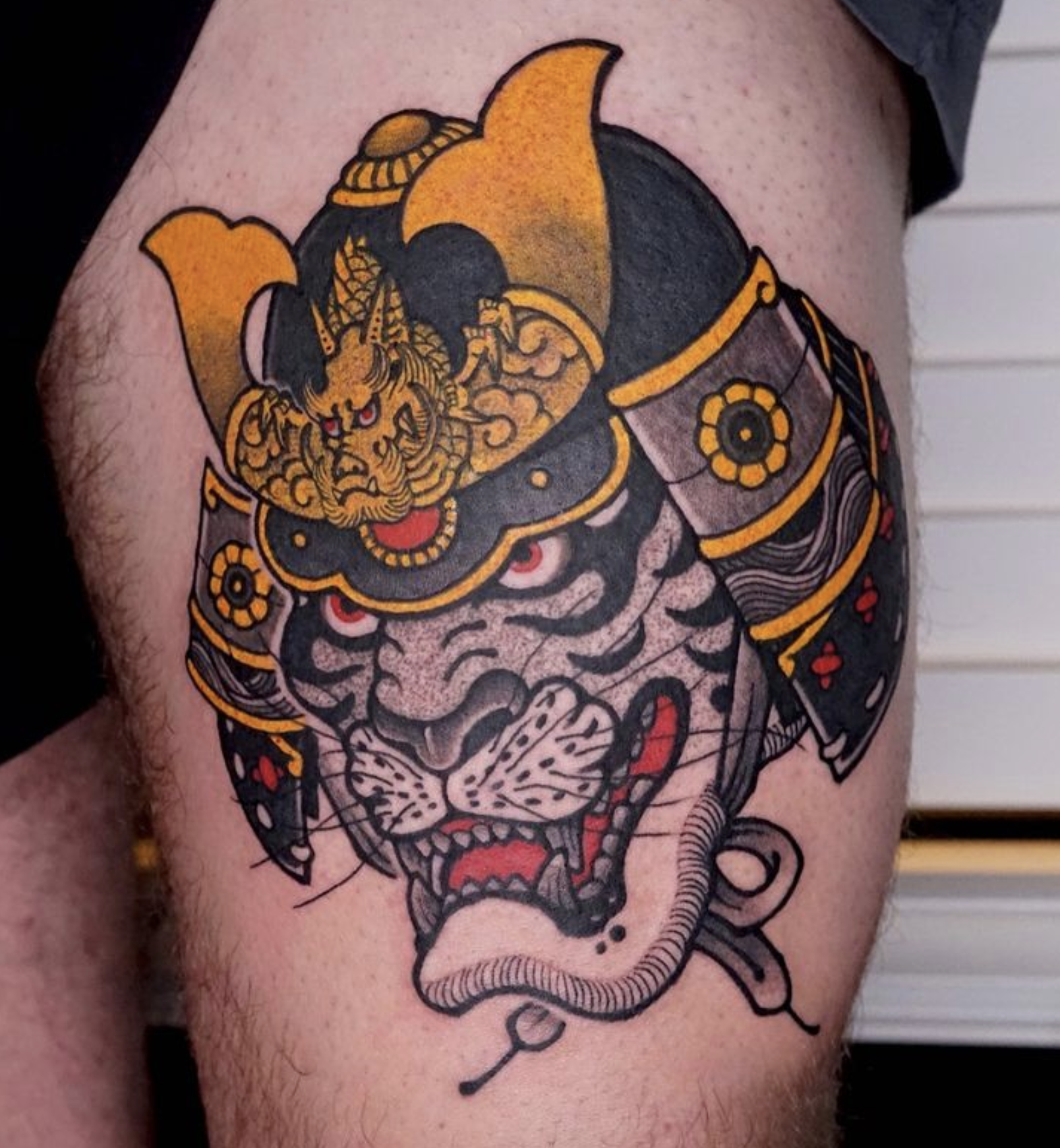
Japanese Samurai Tattoos at Oyabun Tattoo
A Japanese samurai tattoo is more than an image of a warrior. It represents discipline, honor, courage, and personal growth while celebrating one of Japan’s richest artistic traditions.
Whether you’re interested in a samurai sleeve, a full back piece, or a custom Japanese tattoo, our goal is to create artwork that will remain meaningful for a lifetime.
If you’re looking for an authentic Japanese tattoo in San Diego, we’d be honored to help bring your vision to life.
FAQ
What does a Japanese samurai tattoo symbolize?
Samurai tattoos typically symbolize honor, courage, discipline, loyalty, perseverance, and personal integrity.
Are samurai tattoos historically accurate?
They can be. Some designs are inspired by historical samurai, while others draw from traditional Japanese art, ukiyo-e prints, and legendary stories such as Suikoden.
What pairs well with a samurai tattoo?
Popular elements include dragons, tigers, cherry blossoms, peonies, waves, maple leaves, and traditional Japanese armor.
Where should a samurai tattoo be placed?
Large designs work best as sleeves, chest panels, back pieces, or leg sleeves, allowing the composition to flow naturally with the body.